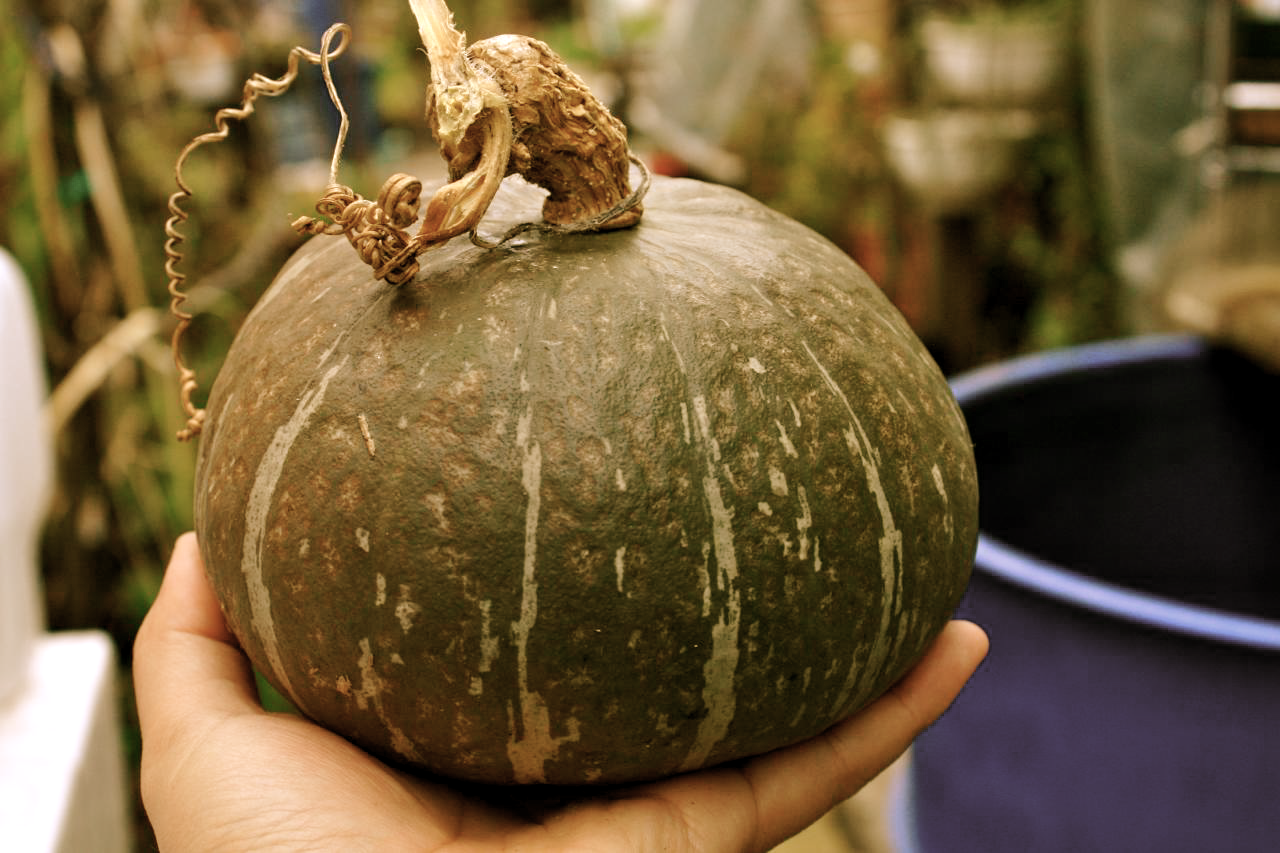
Trust us: Pure visual appeal alone is reason enough to prepare the next installment in our series of local holiday recipes. Since our education in the myriad uses of kabocha, we've been looking to use it any way we can, and for this red curry, it's æsthetically joined by Okinawan sweet potato, carrot, yellow bell pepper, Thai chili, generous amounts of Thai basil and basil flowers and (we think crucially) toasted pumpkin seeds.
At the table, adjacent to sticky rice (which always manages to defy tasteful presentation), the shades of orange and yellow are sharply contrasted with the deep purple of the sweet potato and the green of the basil. Texturally, there is a balance achieved between the comforting heaviness of pumpkin and sweet potato, offset by carrot and bell pepper, enlivened but also lightened by Thai red curry and made sweet by aromatic Thai basil, and topped with a surprisingly reasonable, crunchy addition that would've never occurred to us—pumpkin seeds.
This recipe appeals to us in so many different ways. It's autumnal and it would be perfect for persnickety, vegetarian Thanksgiving guests (like us, for instance). It's familiar comfort food, but it's also spicy and exotic. It's local and it's Thai and it's reminiscent of American Thanksgiving traditions, and we defy you to find another food that can claim all three of those descriptors.
What's more, we love this recipe because it's part of the answer to the question of the moment, to us at least: What to do with the bushel of kabocha that we have in our shed?
Second in our four-part series of local holiday recipes, the following comes to you from our relatives in Tahiti. It's something like Tahiti itself: Simple enough at first glance, but upon closer inspection, nuanced, worldly, refined, elegant and a sensory pleasure.
Kabocha (カボチャ) is one of the great culinary pleasures of autumn. For those unfortunate few who remain unacquainted, Kabocha is a smallish, versatile and surprisingly rich Japanese pumpkin.
The name Kabocha itself actually comes from a corruption of the word Cambodia, the pumpkin having arrived in Japan from that country courtesy of Portuguese sailors in 1541. Kabocha then traveled to Hawaiʻi with Japanese immigrants from the southern prefectures of Japan—mostly southern Honshū (本州) and Hiroshima, Yamaguchi, Kumamoto and Fukuoka on Kyūshū (九州), where Kabocha (かぼちゃ) was known by its alternate name, Bobora—Bobora being the Japanese adaptation of the Portuguese word for pumpkin, Abóbora.
Kabocha loves the tropics, and it's established itself across Polynesia. It's especially popular in Tonga, Tahiti and, of course, in Hawaiʻi. Until the Second World War, it was still known by it's regional Japanese name, Bobora, which was also a Hawaiian Pidgin term for a hapless, newly-arrived Japanese immigrant. From the 1950s, the pumpkin has been locally known as Kabocha, coinciding with the period when large-scale importation of Kabocha to Hawaiʻi began, mostly from the United States and Central America.
Local production is still important, however. We recently were witness to an unexpectedly lively discussion amongst local farmers about the multitudinous uses of Kabocha. We're great lovers of tenpura Kabocha, but Kabocha gelato? We had no idea. Thai Kabocha curry? A revelation. Banana-Kabocha-Macadamia bread? As it turns out, an old family favorite.
And as the first installment of a four-part series of local holiday recipes, we're sharing this recipe for Banana-Kabocha-Macadamia bread, a creation, we're told, of the Latter-day Saint colony in Lāʻie, Oʻahu.
The temple is noteworthy in that it was the first Mormon temple erected outside of Utah, being first dedicated on 27 November, 1919, but to those familiar with the religion's history, this shouldn't be surprising.
To make a very long, outlandish story shorter, the Mormon narrative sharply diverges from Christianity in the belief that, sometime around 600 BCE, a group of Israelites sailed to the Western Hemisphere and established themselves somewhere in the Americas. These Israelites ultimately splintered into factions, principally: the fair-skinned and righteous, the Nephites; and the swarthy, wicked Lamanites. Eventually, Jesus dropped by the Americas after his resurrection and imparted His religion, all peoples were united, and peace reigned for 84 years in the hemisphere.
Then, slowly at first, Lamanite darkies started to fall away from Christ's faith, abandoning themselves to wickedness and sin. After ca 230 CE, war erupted between the Nephites and the numerically-greater Lamanites until, finally, in a series of wars from 236 to ca 400 CE, the "true believers in Christ," the Nephite nation, were completely liquidated.
Importantly, though, before the Nephites were utterly destroyed, their two final prophets and military commanders, Mormon and his son Moroni, transcribed the history of their people and of their religion on tablets that are now knowns as the "Golden Plates." Moroni, in anticipation of his death at the hands of Lamanites, buried the plates in what is now Wayne County, in New York state, whereafter Moroni, the last Nephite, was killed.
On September 21, 1823, the resurrected Moroni appeared to Joseph Smith, Jr., and commanded him to first retrieve the Golden Plates from the Hill Cumorah and then to translate the plates into English, so that God's true religion could be once again known to the world. Joseph Smith did just as he was instructed, translating the plates from an unknown script called "reformed Egyptian" to English using at lease two seer stones (rocks, basically). Smith would carefully place the seer stones, known as the Urim and Thummim, in the bottom of his inverted top hat. The Urim and Thummim (plus top hat) would act as miraculous translating goggles, and it was in this manner that Joseph Smith translated the Golden Plates, a work that we now call The Book of Mormon.
This shameless conman and his misogynist cronies were driven out of New York and Ohio and Missouri and Illinois before they walked across the Great Plains to Utah, at that time not fully under the direct control of the United States government, which they dubbed the State of Deseret. The settlers quickly got themselves into trouble with the United States government, famously when they butchered an entire wagon-train of settlers bound for California, the so-called Mountain Meadows Massacre of 11 September, 1857.
With the word out in the United States that Mormons were, at best, a band of polygamist heathens, the nascent church met with little success in its efforts to attract converts. It was decided that the best course of action was to direct the missionaries to England and Scandinavia, not least because, as populations, they were the whitest, blondest and therefore most righteous. Surprisingly, the church succeeded in attracting converts, and, importantly, settlers, nearly all of whom quickly departed for Mormon colonies in the State of Deseret.
At around the same time, the Latter-day Saints sent their first contingent of missionaries to the Sandwich Islands, arriving on December 12, 1850, in Honolulu Harbor. The day following their arrival, the missionaries climbed a hill above Honolulu (Pacific Heights) and constructed the first (albeit crude) Mormon place of worship in Hawaiʻi and prayed. From then on, the church has enjoyed unusual popularity, not only in Hawaiʻi, but across Polynesia.
This popularity isn't completely unwarranted. Though the position has changed, originally, Mormons considered Polynesians to be the forgotten remnants of sainted, Nephite ancestors, and they largely treated them admirably, at a time when purported Christians were shamelessly exploiting Hawaiians (Jack London remarked at the time that "It comes with rather a shock to learn that in Hawaii the obscure, martyrdom-seeking missionary sits at the head of the table of the moneyed aristocracy.") and even stealing their entire country. In addition, the Mormon emphasis on hearth and home must have resonated with the culture-shocked Hawaiians, who loved their extended families and were reeling from demographic decimation and cultural collapse. It's our suspicion, also, that Mormonism represented the "Other" in the minds of both Hawaiians and Haoles of the late 19th century; If Anglicanism was a slap in the face to the children of the Calvinist missionaries, Mormonism was a dead fish wrapped in newspaper on their front lanai.
The Church of Jesus Christ of Latter-day Saints centered their colony in Hawaiʻi in the Koʻolauloa district of Oʻahu, at the ancient place of refuge in that district, Puʻuhonua o Lāʻie. The colony prospered, so much so that by the turn of the 20th century a temple was considered justified.
Mormon temples are quite different than meeting houses. The latter are simply the weekly places of worship, similar to regular Christian churches, and all, members and non-members, are welcome to attend. Temples, though, are the holiest of holies in Mormonism, and not only must one be a Mormon to enter, but that Mormon must be in good standing in the church, pass an interview with their bishop and receive something called a "temple recommend," all just to gain entry to the temple.
That's why we read with such interest when the First Presidency of the Church announced a public open house at the Lāʻie Hawaiʻi Temple. This three-week period is a rare chance to enter the temple—something that many church members never get to do.
The open house and the tours that accompany it are possible now because the church has not yet re-dedicated the temple after its recent renovation. Since the temple was completed and dedicated in 1919, it has only been open for tours once before, in 1978 when it was similarly reopened after renovation.
This is the public's opportunity to see for themselves whether Mormon temples are repositories for cryopreserved cadavers (we've heard the names Walt Disney and Howard Hughes mentioned) or immense caches of Pepsi (caffeine-free, we assume) and AK-47s; or whether there is evidence of animal-sacrifice or Masonic rites; or whether members of the church really wear green aprons and confectioner's hats and give secret handshakes while in the temple (we're not telling).
We suggest that you make your reservation and an excursion to Lāʻie. We predict that it will be nothing if not a memorable experience, whether you simply learn the rather banal truth, as we see it, that Mormonism is just plain mass-delusion and groupthink with genuinely friendly people, or whether you only relish in the sight of the spectacularly white temple—itself a "pearl of great price"—standing out against the extravagant black-green of the Koʻolau.
The Lāʻie Hawaiʻi Temple of The Church of Jesus Christ of Latter-day Saints (LDS Church) is located at 55-600 Naniloa Loop, Lāʻie 96762-1299, Hawaiʻi, adjacent to Brigham Young University—Hawaiʻi.
The buzz is officially out, and Civil Beat's moment has arrived.
Honolulu became a one-horse town this month, or rather a one-newspaper town, after the "merger" of the Honolulu Advertiser and the Honolulu Star-Bulletin. We suspect that the death of the Advertiser was the opportunity that eBay founder and Hawaiʻi resident Pierre Omidyar had been praying for, and he launched his oft-whispered-about news service, Honolulu Civil Beat, at almost the exact same time as the Advertiser's shuttering.
Civil Beat has (so far) got the plot mostly right. They aren't attempting to capture breaking news stories; readers can get that information from large news organizations or from Civil Beat's correspondents' Twitter feeds. Instead, Civil Beat intends to differentiate itself from its competition by the increased depth and duration of its reportage. Whereas other news organizations relay to their audiences a one-way report on discrete stories, the Civil Beat journalists discuss specific topics over a longer term with website users.
And discuss, they do.
Those Civil Beat readers who would like to gain full access to the all the website's features will have to pay a $19.99 monthy fee (amazingly, via PayPal), but once they do, they will be able to participate in Civil Beat's discussions ad infinitum.
We think that this is a very clever move. News outlets must have discussion forums; it keeps the audience engaged and steers them away from the dangerously democratic world of the Blogosphere, where things could, at any moment, spin completely out of control when people decide to start thinking and analyzing for themselves. The problem so far with most such discussion forums is that the anonymity of internet posting allows participants to post writings that would never be fit for conventional printing. Often, and particularly with issues related to identity political issues, the conversations become little more than 10th-grade vain-little-girl/plain-little-girl, ad-hominem hissyfits.
Honolulu Civil Beat has wisely taken steps to solve that problem by charging for access and by collecting the fee via PayPal. Firstly, the price alone will deter many would-be undesired posters but more importantly, paying via PayPal will likely identify someone responsible for the user's account. What's more, real names are used on Civil Beat's website, and these factors have, at least so far, gone far to engender a civil atmosphere suitable to the website's mission.
We still have questions about charging $19.99 for online news. Everybody does, though. Honolulu Civil Beat's greatest challenge is, in our eyes, that nobody expects to pay for news content online. We also have questions about the website's lack of visual interest (where are the arresting photographs?) and still sparse content. And also, why isn't Catherine Toth on the Civil Beat staff? She is, after all, Honolulu's Best Journalist.
We do have faith in Pierre Omidyar. He knows the internet—he's a true pioneer—and we assume that he's at least several steps ahead of us. As for us, though—we're not subscribing yet. It'd be money wasted, because we would be banished from Civil Beat in a matter of days since we wouldn't hesitate to voice our opinion that Linda Lingle is a "despicable, old hag."
"Passengers flying in coach class on Hawaiian’s A330 will enjoy the comforts of the new aircraft, including more legroom and a state-of-the-art on-demand entertainment system. High-resolution LCD touch screen monitors in each seatback allow each passenger to choose from a wide selection of movies and video programs, audio channels and video games. Each system also includes a USB port allowing connectivity for personal media players. First Class passengers on Hawaiian’s new A330 aircraft will enjoy the added advantages of larger in-seat LCD screens and iPOD compatibility."
Today is Kamehameha Day, and this is one holiday that we like. Established by proclamation of Kamehameha I's great-grandson Kamehameha V in 1871, the holiday commemorates Kamehameha's unification of the eight principal Hawaiian islands and the establishment of the unified Kingdom of Hawaiʻi. This is a particularly noteworthy Kamehameha Day because it happens to be the 200th anniversary of the establishment of the Kingdom of Hawaiʻi.
For those of you in Hawaiʻi, we hope that you enjoy the festivities. For everyone, in Hawaiʻi and elsewhere, we hope that you will first consider and then judge, with something as close to critical objectivity as possible, the events in the Kingdom over the last two centuries.
In the generation preceding Kamehameha, Kahekilinuiʻahumanu of Maui (Kahekili II) united all Hawaiian Islands, with the notable exception of the Island of Hawaiʻi, for the first time. Kamehameha, born with the heralding of a comet in the Kohala district on the island of Hawaiʻi in 1758 (or maybe 1737) managed to first unite the islands and then deftly navigate the treacherous malstrøm of competing colonial powers, while also promulgating the Māmalahoe Kānāwai, an acknowledged ancestor of today's Universal Declaration of Human Rights.
That's the popular story, and it may be true. But a different, complementary history of Kamehameha I also exists: Kamehameha I, the beginning of the end.
In contrast to Kahekili II, Kamehameha I enthusiastically engaged the European powers, in particular Great Britain, and in 1794 he asked Great Britain to establish a protectorate over the Island of Hawaiʻi in exchange for a warship to fight Kahekili II. To many Hawaiians and their supporters, the subsequent history has been little more than a series of disappointments and catastrophes.
In Aotearoa New Zealand, the Māori met Europeans with warfare, and have retained a measure of their land, culture and dignity. In Hawaiʻi, Kamehameha I met Europeans with the Aloha spirit, and Hawaiians have been denigrated ever since. Kamehameha drew Europeans into his court, married them to local noblewomen, and appointed them as governors of islands—the Welsh sailor Isaac Davis as governor of Oʻahu and the Englishman, John Young, as governor of the Island of Hawaiʻi.
More Europeans came, then Americans, then Calvinist missionaries. By 1890, U.S. minister to Hawaiʻi John Stevens was able to happily inform U.S. Secretary of State James Blaine that "the native population of 60 years ago is reduced less than one-third … and it is continually growing less." Stevens could barely control his excitement as he reported that "just one-half of the total population is of the original Hawaiian race," with only "a small proportion of the lands and other properties and in their possession."
In 1892, John Stevens, still in his official capacity, wrote to newly-appointed U.S. Secretary of State John Forster that "The value of the Hawaiian Islands to the United States for commercial and naval purposes has been well understood by American statesmen for more than half a century. To postpone American action many years is only to add to present unfavorable tenencies and to make future possession more difficult." Stevens concludes his letter with his command: "Americanize the islands, assume control of the 'crown lands.'"
It's all very sensible—from the American perspective, and only when the American public has been properly trained in doublethink, so that they are able to destroy one nation while simultaneously lauding their own democratic humanism and perceive no ethical contradiction therein.
In Stevens' letters, the opinions of Hawaiians about their own country are absent, but it wasn't especially important what Hawaiians thought. Nor was it important what the growing Asian population thought; That was made explicit.
"There are such a large number of Chinese and other cheap laborers on the islands who cannot be trusted to vote intelligently," Charles L. Carter, a member of the Hawaiʻi Provisional Government's Annexation Committee, told the New York World, "that if universal suffrage was declared the whites who represent almost the entire business interest of the country, would be outvoted and powerless."
This subversion of democracy and passionate opposition to basic human rights continued through the twentieth-century. Hawaiʻi's 1959 Admission Act plebiscite was conducted in brazen disregard of the United Nations charter, and therefore both U.S. and International Law. It is an impressive achievement of the United States' intellectual class that the Admission Act and Hawaiʻi's status as 50th state—both cynical frauds—are the subject of almost no critical media debate. The American propagandists' counterparts in Beijing or Moscow are no doubt envious that they can't have such an easy job in silencing dissent and liquidating their conquered neighbors.
The United States' commissars have done their jobs so well that next month, we in Hawaiʻi will be encouraged to take part in the utterly grotesque exercise of celebrating the independence of the uninvited messianic colonizer that destroyed our own independence, and in fact continues its mission to destroy what's left of our country.
Few things are truly intractable, and the case of Hawaiʻi v. The United States of America is actually a simple one, since nearly all facts are uncontested by both sides. For today, Hawaiʻi will, in the words of Francine du Plessix Gray, "remain profoundly hedonistic and provincial, a sugar-coated fortress, an autistic Eden, a plastic paradise in which the militarism and racism of the American empire are cloaked by a deceptive veil of sunshine and of flowers."
We assume that the rikishi were pleased with their liquid purse, but the next day's edition of The Honolulu Advertiser wasn't particularly impressed; the article's author generously described sake as, "[a] fine beverage … not 'catlap' at least."
Sake had to be imported to Hawaiʻi until December, 1908, when Hiroshima-born Tajiro Sumida delivered the first products from his newly established Honolulu Sake Brewery. The brewery's first vintage was a disaster; Hawaiʻi's heat, humidity and sun conspired to spoil the newly-brewed sake.
But Sumida's brewery gleaned priceless lessons from their initial frustrations. The brewery introduced a major innovation to the sake industry when they refrigerated the fermentation area of their brewery—a necessity in Hawaiʻi—and the practice that was soon adopted in Japan. Hawaiʻi sake brewers introduced stainless steel equipment to the brewing-process, and were the first to use California rice in the manufacture of sake. Maybe most significantly, in 1958 Honolulu brewmaster Takao Nihei identified a mutant strain of yeast, used today throughout the sake-brewing industry, that produced far less froth in the brewing vat during fermentation, thereby increasing production yields per-vat by about one third.
With Hawaiʻi's contributions to the world of sake in mind, it is appropriate that Honolulu is home to the largest sake tasting event in the Americas: The Joy of Sake.
This year marks the tenth anniversary of the event, and for the second year it will be held at the Honolulu Academy of Arts this August 19. We're told that over 300 sakes will be offered to participants, which will be paired with tasting plates from "some of Honolulu's best restaurants."
We at The Hawaiian Sybarite especially like the detail that sake vessels made by local ceramicists from the Linekona Art Center will on offer. A classy move.
In a vulgar tone, the organizers of the event inform us gleefully that "As a special perk for Academy members, Joy of Sake will again have premium tables," before continuing to explain, in bold, that "This year, the premium tables will be cordoned off in an exclusive VIP area. This members-only benefit was a hit last year—they sold out in days."
The phrases "cordoned off in an exclusive VIP area" and "members-only" turn us off immediately and the foregoing quotations demonstrate our suspicions: that the likable concept of the event—the appreciation of an ancient cultural institution with our fellow citizens—is, to many of the event's participants, reduced to little more than an excuse for tawdry pretensions and obvious displays of wealth. Sake is mostly incidental to the affair.
What: The Joy of Sake: America's Largest Sake Celebration When: Thursday, August 19, 2010, 6-8:30pm Where:Honolulu Academy of Arts, 900 South Beretania Street, Honolulu, Hawaiʻi, 96814-1429 (808) 532-8700 Price: Individual: $80 per person. VIP reserved seating: $150 per person.
Tenzin Phakmo, a Tibetan visual artist born in Nepal, will be exhibiting his work for the first time in Hawai'i with a show opening on Wednesday, June 9.
Currently based in New York, Tenzin was born in Pokhara, Nepal on New Year's Day, 1981. He attended schools in Nepal and India, and was a student of revered Nepalese artist Guru Alok Gurung.
"Working with local Nepali artists steered my art more into a Nepali Art. But, later on as my artistic abilities matured, it felt in need of an origin, a base and a big sense of who I was; that is when my art felt a strong connection with my Tibetan heritage. My love for strokes, the richness in color always gave form to beautiful imaginations and as always I wanted to be true to the reality of images, I started taking photos before I started a painting," Tenzin explained about the process of creating his art. "My imagination shapes the initial idea of a painting, followed by my photos and then I try to do justice using both. In reality, each painting of mine has a distinct story behind it. Some paintings have a certain relationship with previous ones, whereas some stand alone."
With the encouragement of his Guru and the friendship of Maj Andrew Duncan of the British Gurkhas Nepal, Tenzin participated in numerous group exhibitions, and had his first solo exhibition in October, 2004. Tenzin's work is now part of the collection of Manhattan's Rubin Museum of Art as well as being included in the personal collection of Dolan Rubin.
Tap-tap, tap-tap-tap. With each rhythmic echo of the wood, the thin, jagged comb-like edge of a boar's tusk dipped in ink pierces the skin of Daniel Reed's leg. Blood rises through the ink. But Reed, a 25-year-old former University of Hawai'i football player who has been researching his family genealogy, never winces. He lies on the lauhala mat in a small room in Nānākuli. Only now, after extensive conversations with Keone Nunes, is Reed physically and emotionally prepared for the 10-hour process.
Every tap of the mōlī (traditional tattooing needle) is permanent. "If you're not careful, it's easy for make a mistake on this design," said Nunes, the only traditional kākau (tattoo) artist in Hawaiʻi. What would he do? He laughed. "You don't make a mistake."
Modern tattoos are applied with electric machines. But Nunes employs traditional techniques on a few select people each year. The imprint is so deep that skeletons of ancient Hawaiians have been found with tattoo marks on bone. These days, many people with Polynesian ancestry have begun to value tattooing more as they see it play a role in reviving cultural pride. Now that rebirth has attracted a documentary film crew to the Pacific. In the story the production will tell, Nunes plays a key role.
"To pick up the traditional tools and know what to do with them is a great honor," said Nunes, who during the week works for the state Department of Health. Those who receive the tattoos feel the same way.
"With every tap of the hahau (rounded tapa beater or mallet used in traditional tattoo application), with every burning sensation that goes down, you're learning this lesson about perpetual growth," said Kyle Nakanelua, a Maui resident who was the first person Nunes tattooed in the traditional style. And the pain? "You just suck it up," he said. "Keone won't do you if you have anything (to relieve the pain). Through the pain you grow."
Nunes and Nakanelua are featured in the video production by Pacific Islanders in Communications and KPBS public television and radio in San Diego. "Skin Stories" explores the cultural significance and social implications of tattooing in Hawaiʻi, New Zealand, Samoa, San Diego and Los Angeles. Carlyn Tani, executive director of PIC, said they hope the one-hour documentary will air on PBS in early 2002. But as co-producer and veteran filmmaker Emiko Omori said, the experience of making "Skin Stories" was so rich and varied, where it airs will not change the lasting effect it had on those involved.
For Omori, the alteration was also physical. On a brief stop in Honolulu on her way home to San Francisco, she dropped by the PIC headquarters dressed in a tie-dyed T-shirt, Hawaiian print shorts and slippers, with her long white hair contained behind two large barrettes. On her right wrist she wore a colorful—and lasting—souvenir from her travels.
"I was thinking of something on my wrist," she said, laughing, "about half this size." Then she met Gordon Hatfield, a moko ("tattoo" in Maori) artist in New Zealand and one of the people interviewed for "Skin Stories." One day after shooting, she recalled, Hatfield said, "'Well, we've got some time here. Put your arm down.' He started drawing. It got kind of big. Then he turned my hand over and it got bigger." She revealed a hammerhead shark on one side, artfully blended into a manta ray on the other. "I love it. He chose it for me."
Omori explained that her interest in tattooing dates back to the 1970s, when she received her first design. She stood, turned around and pulled her clothing aside. Her back and buttocks revealed a Japanese myth of a pearl-diver who went to the bottom of the ocean, into the kingdom of the sea dragon, to recover a pearl. The woman obtains it by committing hara kiri and placing the pearl in her open belly, then floating the surface. When asked how long the tattoo took to complete, Omori said, "We worked on it several years, off and on."
Self-described as "late middle age," Omori served as co-producer and director on this project, and has worked as a camera shooter in the past. Her most recent effort was "Rabbit in the Moon," a documentary about her family's experience in the internment camps during World War II. It has aired repeatedly on Hawai'i Public Television.
"Skin Stories" is an executive production. This means PIC chose the topic, then assigned producers to the project. Several years ago, PIC put together a list of potential story ideas. "This consistently rose to the top as something that would have national interest," Tani said. "And it was something the rest of the country probably has no idea about, and would be extremely interested in given the huge popularity of tattoos today." Omori seemed the obvious choice to co-produce. "She has a personal connection to tattoo," added Tani, "and as a filmmaker she's unique in her interest and ability to mentor other people."
Providing opportunities for emerging Pacific Island filmmakers is one of PIC's goals. The other, said Tani, is to "bring greater awareness to a national audience about who we are as a people and what we are facing as cultures. What's happening right now is a great tension between preserving cultural traditions and allowing in change that will keep the culture alive. How do you navigate between those two in a way that allows you to move forward as a people without losing where you are coming from?"
Tattooing, in this case, Omori said, is the "hook." But once you entice viewers, they "will learn things they were not expecting to learn."
What they will discover is that the art of tattoo is far from an accessory worn by certain subcultures. There is history. Reverence. Identity. Cultural preservation.
Co-producer and editor Lisa Altieri said she was most impressed with "the designs and the spirituality involved with the process." In Hawaiʻi, "we were seeing something reborn that that almost disappeared," Altieri said in a phone interview from the temporary edit bay in San Francisco. "That was really strong."
Altieri, who lives in Honolulu and is part Hawaiian, said their limited research prevented them from making general conclusions about the significance tattoos have for Pacific Islanders. But the messages from those interviewed were clear. "With the Maori people that we talked to, the strongest impression I got was that it's about identity," she said. "They're making a statement about being proud to be Maori;they're no longer going to allow their culture to be repressed. It also has very personal significance to each person in terms of their heritage and their genealogy.
Traditional tattoo artist Keone Nunes taps away on the leg of Daniel Reed of Waimānalo.
"With the Samoans," she said, "It's not so much a reclamation. It's always been a part of their culture; it never died out.
In the documentary, Nunes remembered that about four years ago Nakanelua "had a design, and he wanted me to put it on, and I said, 'Why?' And he said, 'What you mean, Why?'" What Nunes meant was, "What is the purpose of this? Why is it so important for you at this time?"
Nakanelua said, "He told me that I should do my family research and learn the language. I did that and went back to (Nunes) and he said, 'OK, now you're on the right track.' Two or three years later, I was finally ready in his eyes."
Nakanelua's alaniho (Hawaiian motif that starts at the ankle and rises up the leg) is ʻamaʻu, or fern, what he calls a "very old, traditional pattern." This, he said in a phone interview from the Kahului airport fire station on Maui, where he is a fire captain, is "definitely a Hawaiian tattoo."
Initially, Nakanelua's desire for a tattoo "was pure ego." He said, "That's the way everything starts. Generally something on the arm and on the chest. But with the Hawaiian mindset, you go to the leg, which is your foundation. So maybe you like flex your arm, but you gotta stand up first. That's Keone's manaʻo: foundation.
"You have to earn the right to wear that particular symbol, because the people that wore it before us had a certain standard and had a kuleana and that's why they were given the mark," Nakanelua continued. "And that's what you become consciously aware of. Now there's an obligation and standards, so your behavior has to change. And that's when it becomes spiritual.
When asked if he would tattoo someone who requested a certain design just because he liked it, Nunes replied unequivocally: "No." The western belief is that you pick the design. But in Polynesian culture, he explained, "the person getting tattooed often times doesn't have much say.
"You must trust the person (giving you the tattoo) to know the culture and give you something appropriate." Indeed, Nunes wears Maori designs he did not choose. Before he bestows a tattoo, he confers privately and uniquely with the individual.
Nakanelua, 42, said that if "Skin Stories" airs to a national audience, he hopes "those that don't have the marks yet will take a more serious look before they put it on." With non-Hawaiians, he "hopes they would look at the traditional designs and not just take" someone's family markings. Everyone, he believes, should stop and think, and ask, "Does my wearing this serve the best interest for all concerned?"
During a break from tattooing Reed, Nunes commented on the people who wear his art: "This is just one step that hopefully will accelerate their quest for understanding. I expect them to continue whatever journey they're on in a positive way. To me, it's a very important part of the culture. And it shouldn't be taken lightly."
Keone Nunes practices the art of kākau in Nānākuli. No physical business address is provided, but "If a traditional Hawaiian tattoo is right for you, you’ll know where to find him." He can be reached via e-mail.
The Airbus, christened Makaliʻi—the Hawaiian name for the constellation Pleiades, one of the star clusters most important to ancient Polynesian navigators—was welcomed to its new home by hula, lei and a gathering of Hawaiian Airlines employees.
Among the employees assembled on the tarmac was Mark Dunkerley, Hawaiian's president and CEO who said, "What a special moment for all of us at Hawaiian, to see more than three years' planning and coordination come to fruition. This first A330 heralds a new era for Hawaiian, one of growth and new services for our customers."
The new services of which Mr. Dunkerly speaks include touch-screen entertainment monitors in each seat in all classes which will feature audio- and video-on-demand. As for growth, our informants tell us that routes to the East Coast and Midwest of the United States are currently being considered together with flights to Asia—Seoul and Beijing, in specific, in addition to Hawaiian's already-announced intention to serve Tokyo's Haneda Airport(東京国際空港). We also occasionally hear fantastical stories of Hawaiian Airlines routes to Europe and, as proud as it would make us to see Pualani at Heathrow or Frankfurt or Roissy, we consider it the remotest of possibilities.
We do have concerns, however, about the announced 294 passenger capacity of Hawaiian's A330-200s. A seat map hasn't been released publicly, but such a seating arrangement will make Hawaiian's A330s among the most densely configured in the industry. In comparison, the A330-200s of Air France seat 219 passengers; those of Delta Air Lines, 243; while those of German low-cost carrier, Air Berlin, seat 295 in pinched circumstances.JetStar Airways, the rough and ready younger sibling of Australia's Qantas Airways, manages to shoehorn 303 seats into their A330s. We expect the Hawaiian Airlines Airbuses to have a configuration similar to that of the JetStar aircraft, and we'll reserve judgement until we have concrete information, but if you would like to experience JetStar right now, remember that the airline offers up to five flights weekly from Honolulu to Sydney.
An additional three A330s that are expected to join the Hawaiian Airlines fleet this year, and the airline has signed a purchase agreement with Airbus to acquire seven more A330s from 2011 and six A350XWB-800 (Extra Wide-Body) aircraft starting in 2017, as well as purchase rights for an additional five A330s and six A350s.
Hawaiian's new A330, Makaliʻi, is scheduled to enter commercial service on Friday, June 4, as Flight HA2, departing Honolulu at 1:15 p.m. for Los Angeles.
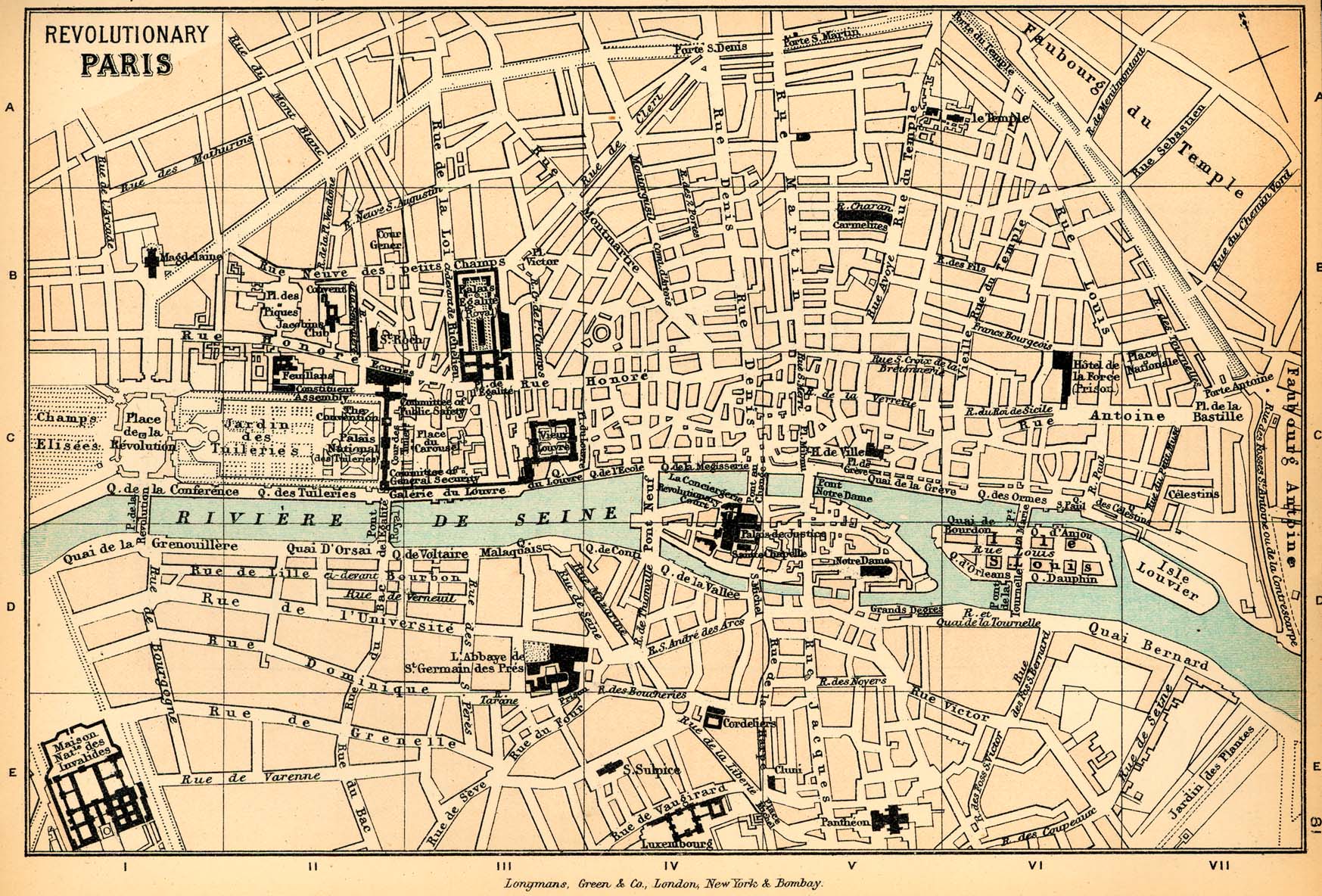
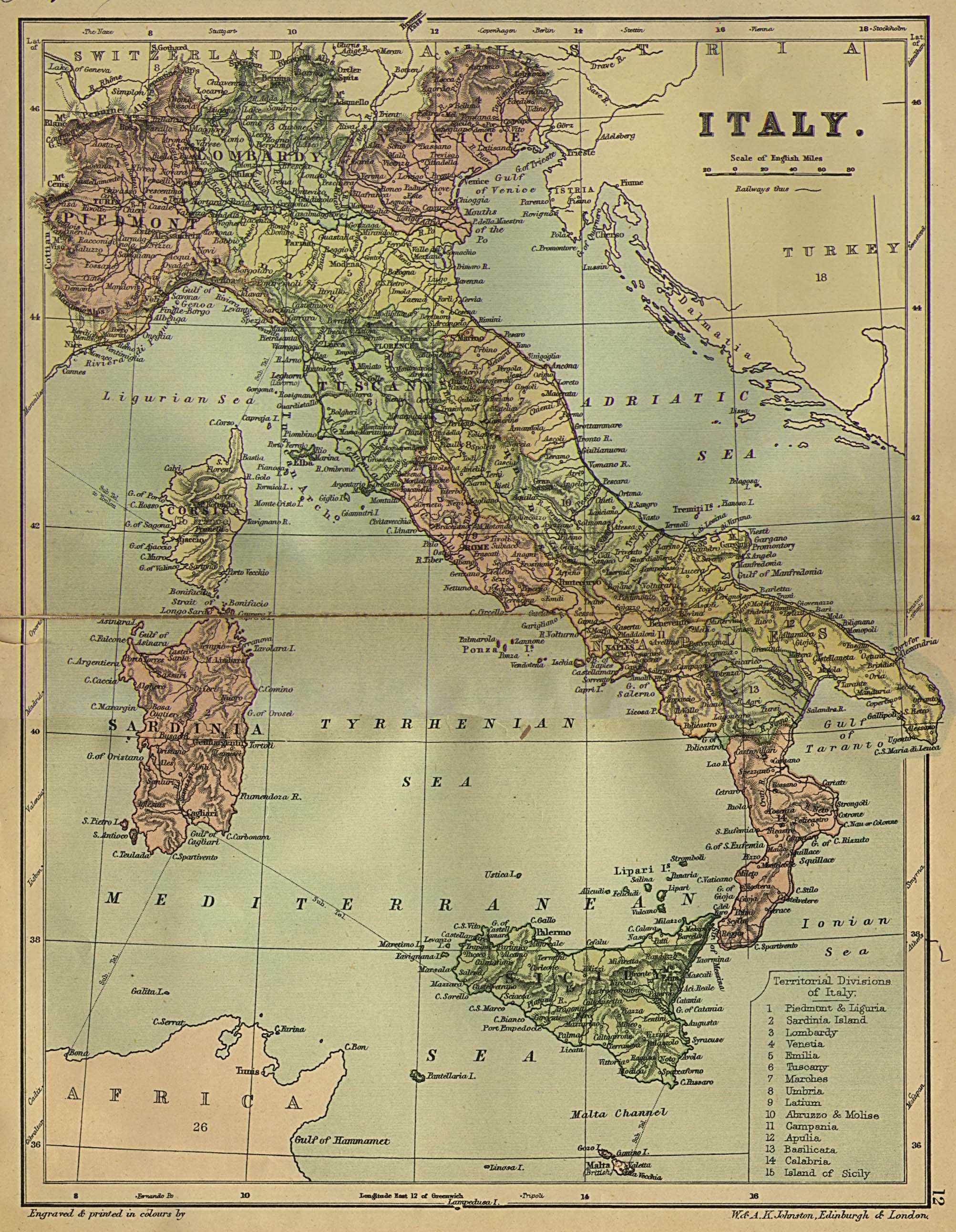
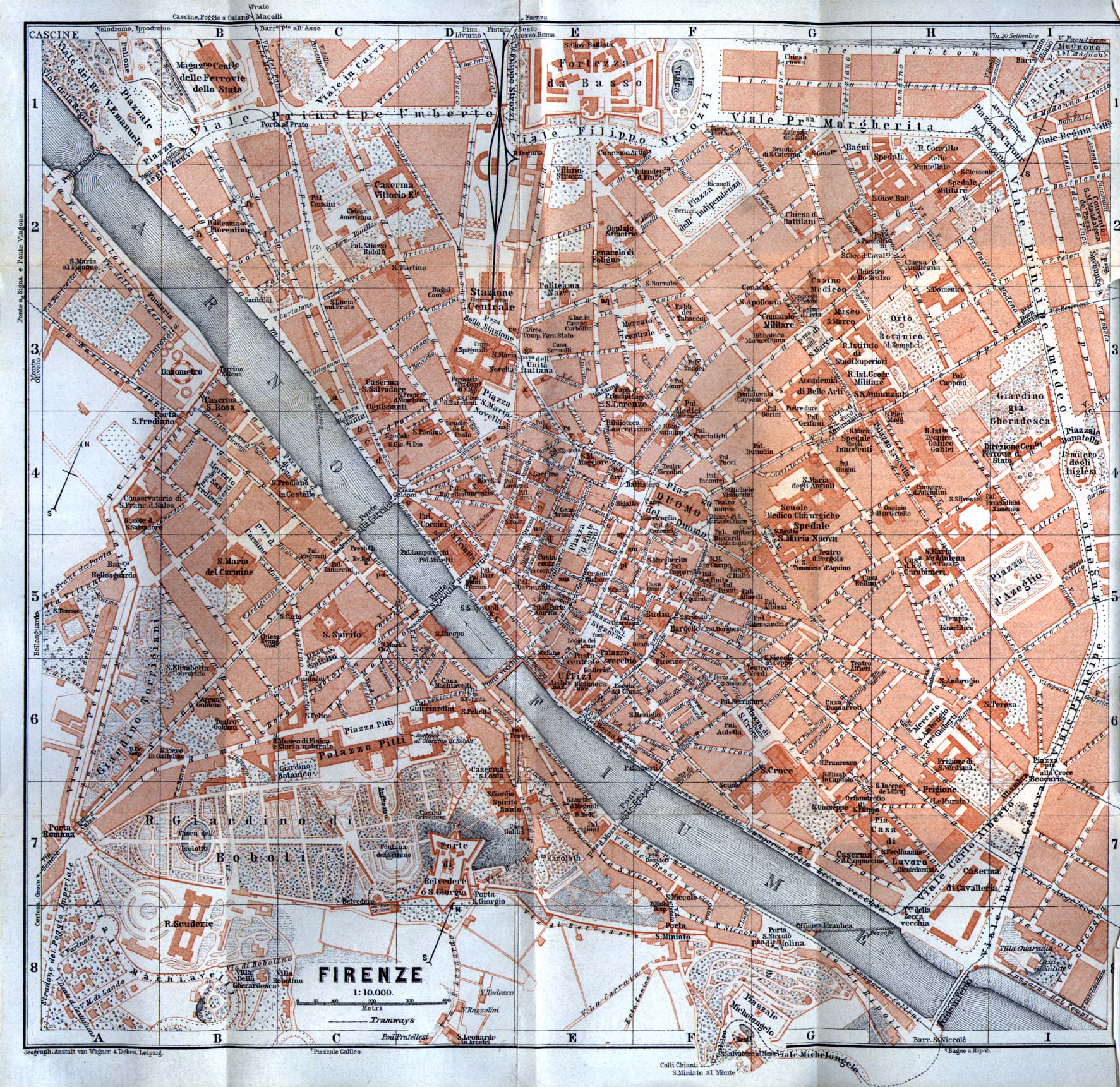
We've always had a predilection for maps—actually, anything to do with our physical existence on this planet. We spent most of our youth lost in a world of airline timetables, route maps, bethymetric charts, architectural design drawings, anatomical drawings and speculative evolutionary diagrams of Hominidae phylogeny based on the interpretation of skeletal remains and the fossil record.
Though it should go without saying, we were hopelessly uncool adolescents.
Our parents encouraged us to broaden our interests and to be like our older siblings, to do the normal things as they did, like surf or play football or have unsafe sex while experimenting with drugs. We answered that we'd be happy to go on a hike to gather wildflowers for use in fragrant potpourris. We'd would have been happy to bake hjertevafler for our Mormon cousins/distant neighbors/father's secretaries. We'd even whip the crème fraîche and carefully gather the fruit to make the preserves that could be enjoyed with the waffles ourselves. If that isn't enough, we could draw a stylish label for the Mason jar of preserves—no, we could design some stylish packaging for every element of a thoughtful gift-basket which you could then give to …
Though we were committed to our awkwardness, there were meagre consolations to our parents in these our "special" talents. By "special," they meant the talents of future homosexualists. If they needed any more evidence, it came in the form of our Christmas wish-list, which every year contained a plea for a subscription to Martha Stewart Living and a Nilfisk or Dyson vacuum.
Our families warmed to our advice about design, laundry and baking, not to mention that we often came in handy by knowing all the lyrics to every song by ABBA, and eventually, even our geography skills gained purchase within our family.
On a family road-trip in Italy that is forever seared in our memory, our father insisted on driving our rented Fiat up a steep, narrow one-way street in the medieval hill town of Montepulciano—the wrong way, against the correct flow of traffic. Then, as cars approached in the intended direction of travel, our father turned off the one-way street, around the next corner, hoping that this time he had found an appropriate thoroughfare. Unfortunately, the thoroughfare was an ancient, wide marble stairway leading precipitously down and out of the inner city. Unsurprisingly, we were reading a volume on Renaissance architecture which contained a selection of maps of Montepulciano. Both the day and the Fiat were saved.
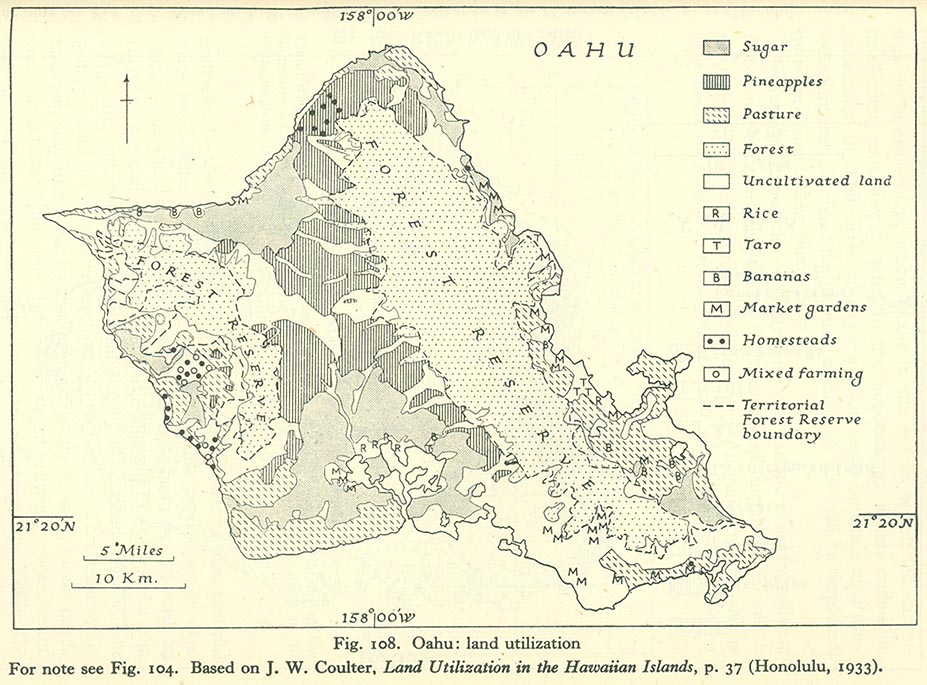
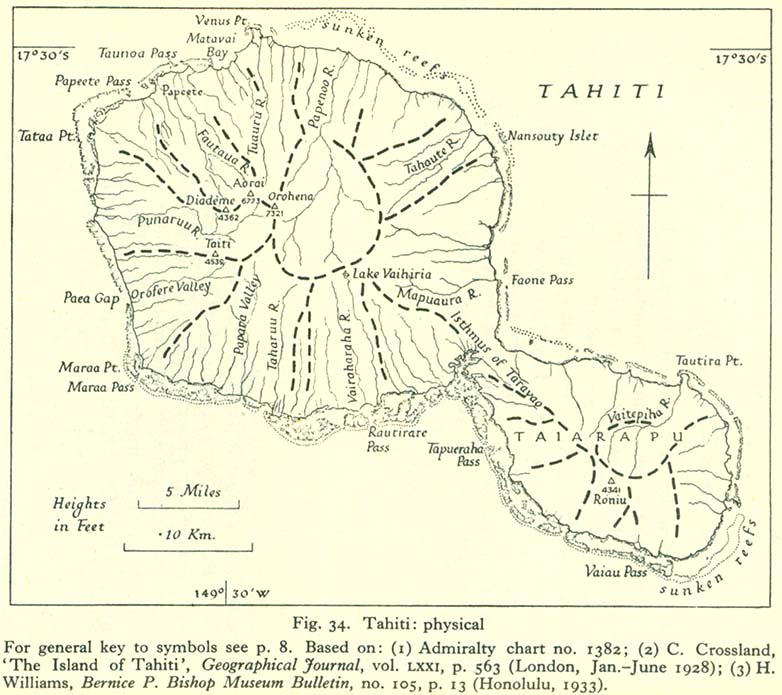
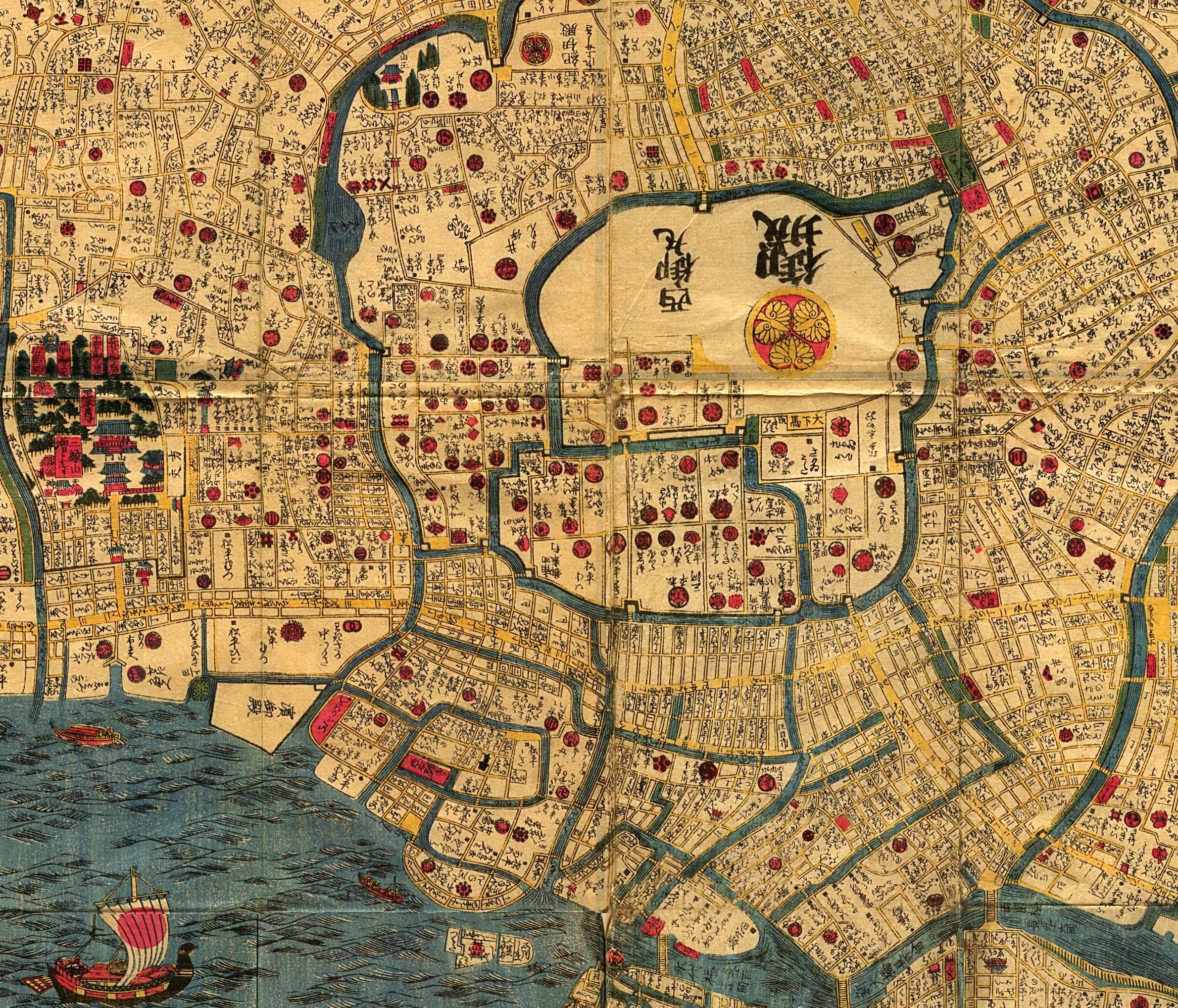
The Perry-Castañeda Library Map Collection is an unusually diverse treasury of maps, arranged geographically and thematically, at The University of Texas at Austin, and access to the collection is remotely available through a website maintained by the University of Texas. We here at The Hawaiian Sybarite are embarrassed to admit how many hours we've spent devouring the Perry-Castañeda collection but like a true addict, we don't want to be alone in our addiction; We would like to turn you on to our cartographic habit.
Honolulu has long been in need of a new hotelier to clear the stagnancy that has settled over O‘ahu's hospitality trade.
Ian Schrager, together with Bill Marriott, may be the hoteliers to do it.
Ian Schrager—yes, that Ian Schrager, of Club 54 fame—established the Edition Hotels & Resorts brand with J.W. Bill Marriott, Junior—yes, that Bill Marriott, of Marriott Hotels fame—to, as the Marriott website enthuses, "combine the personal, individualized and unique hotel experience that Mr. Schrager created with the operational expertise Marriott is known for."
From the foregoing explanation it should be apparent that the Edition Hotels & Resorts are not going to be in any way boutique hotels, but instead tarted-up Marriotts. That's not necessarily a bad thing.
Ian Schrager created the concept of the boutique hotel in 1984 with the opening of his Morgans Hotel in New York City. Schrager started with a derelict 1927 flop-house that happened to have excellent bones, his Morgans Hotel Group inexplicably managing to purchase the structure while also using it as collateral. He then retained the services of the venerable Parisienne interior designer Andrée Putman, without whose expertise the boutique hotel as we know it might well have never been born.
The Morgans Hotel was a tremendous success, and Schrager opened eight hotels over the following 15 years, each with French post-modernist designer Philippe Starck. The Royalton and Paramount in New York, the Delano in Miami, and the Mondrian in West Hollywood soon followed, all masterful examples of stylish packaging selling average hardware.
What Schrager hotels did possess was a sense of arrival and occasion. His hotels made people feel glamorous and sleek, and those reasons are enough for many members of his demographic to overlook poky rooms or thin walls or non-existent services.
Schrager and Starck perfected their formula of gloss and surreal yet carefully considered idiosyncrasies at a string of properties, including New York's mammoth, 1000-room Hudson Hotel. Housed in the former headquarters of PBS-affiliate WNET and with a face that only a father could love, the Hudson compensated for it's cell-like rooms with public spaces pulsing with zeitgeist. After opening the Clift Hotel in San Francisco and the Sanderson and the St. Martin's Lane Hotels, both in London, Schrager divested himself from the Morgans Hotel Group in 2005 to concentrate his energies on his Gramercy Park Hotel project in New York, crafted in close collaboration with artist Julian Schnabel and, now, the Edition Hotels venture with Marriott International.
The first property in the Edition Hotels portfolio is rumored to be opening this July, in Honolulu. While July is only slightly less than two months forward, details remain illusive, but from what our sources have told The Hawaiian Sybarite, "The Waikīkī Edition" will occupy the building that was known formerly as the ʻilikai Hotel's Yacht Harbor Tower and will offer 350 rooms.
Apart from those precious few details, Honolulu's FOX affiliate KHON 2 reported that "[o]ne part of the redevelopment involves bringing in internationally known Iron Chef Masaharu Morimoto to open Morimoto Waikiki Restaurant."
Ian Schrager's foremost talent always was, and remains, the contriving of compelling spectacles. Schrager's website credits him with the creation of "pioneering concepts" such as "the hotel as home away from home, the hotel as theater, 'cheap chic', 'lobby socializing', the indoor/outdoor lobby, the urban resort, and the urban spa."
It has been our experience of Schrager's hotels that they are very much like the fashion world's top models: fulfilling objects for idolatry and pleasant enough to look at—as long as it's remotely. But once you pay the near-extortionate price to get close enough for the satisfaction you've been conditioned to crave, you see how tawdry and threadbare and, often, just plain ugly they are without the flattering lighting and the cocophany of media hype.
Still, we'll take Schrager's overpriced and under-delivered universe of "hotel as theater" over the recent decades of the Hawaiʻi tourism-industry's stubborn commitment to mediocrity. A combination of vast overdevelopment, cruel underpricing, wrong-headed marketing, absentee American and Japanese landlords, local slothfulness and simple, vulgar greed have left Hawaiʻi resting on its laurels with an embarrassing bric-a-brac of failures of innovation in the visitor-industry.
It is the hope of The Hawaiian Sybarite that Ian Schrager will lead Marriott and its hulking, tasteless horde towards a more sensitive, more well-designed, and hopefully, more stylish future. We hope that Schrager will present alternatives to the sterile sameness of the typical Marriott property, et al, and we maintain the hope that he will introduce a concept for the Hawaiian hotel of the 21st century that doesn't rely on shameful acts of cultural prostitution or environmental degradation.
The marriage of Ian Schrager and Bill Marriott, Jr. is one whose days are seemingly numbered from the beginning. Ian Schrager is a wheeler-dealer, an æsthete, an ex-con and will forever be powdered with the excessive glamour of the late 1970s, whereas Bill Marriott is a conservative, Latter-day Saint businessman, the son of a conservative, Latter-day Saint root beer salesman. How exactly the businessman behind Studio 54 and the businessman representing the polyester of religions will pool their respective talents and synergize remains baffling to us at The Hawaiian Sybarite, but we are hoping that the opening of The Waikīkī Edition will be just the boot in the ass that all hoteliers in Hawaiʻi need in order to raise their game to a level that begins to befit our archipelago.